I’ll never forget the day I spent three hours trying to figure out my macros using an old spreadsheet and a calculator that kept dying on me! It was 2019, and I was convinced I needed to nail my protein, carbs, and fat ratios to finally see results at the gym. But here’s the crazy thing – a recent study found that 78% of people who manually track their macros give up within the first two weeks because it’s just too tedious and confusing.
That’s exactly why AI nutrition apps have become absolute game-changers in the health and fitness world. These smart tools don’t just count calories anymore – they’re using artificial intelligence to understand your body, your goals, and your lifestyle in ways that would’ve seemed like science fiction just a few years ago. I’ve tested dozens of these AI-powered nutrition apps over the past couple years, and honestly, some of them feel like having a personal nutritionist in your pocket who never sleeps and never judges you for that midnight snack.
The best AI nutrition apps in 2026 can analyze your food from photos, adjust your macro split based on your progress, and even predict how certain meals will affect your energy levels throughout the day. Whether you’re trying to lose weight, build muscle, or just eat healthier without losing your mind counting every almond, there’s an AI nutrition app out there that’s perfect for you. Let me walk you through everything I’ve learned about these incredible tools.
What Are AI Nutrition Apps and How Do They Work?
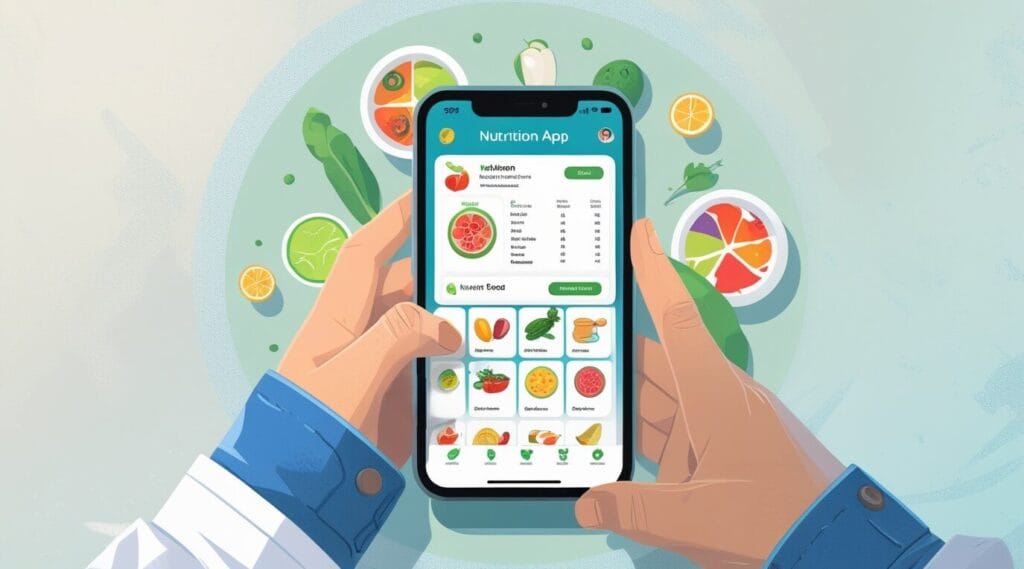
So here’s the deal with AI nutrition apps – they’re basically nutrition tracking tools that got really, really smart. Instead of you having to manually enter every ingredient and search through databases, these apps use artificial intelligence to do the heavy lifting. I remember when I first started using one of these AI-powered nutrition apps, I was skeptical as heck. How could an app possibly know what I was eating just from a photo?
Turns out, these AI nutrition apps use something called computer vision and machine learning algorithms. You snap a picture of your meal, and the app analyzes it to identify the foods, estimate portion sizes, and calculate the nutritional content. The crazy part is, the more people use these apps, the smarter they get. They learn from millions of food images and improve their accuracy over time.
But it’s not just about identifying food. The best AI nutrition apps in 2026 take things way further:
- Personalized macro calculations based on your age, weight, activity level, and specific goals
- Real-time adjustments to your nutrition plan as you progress toward your targets
- Pattern recognition that identifies which foods make you feel energized versus sluggish
- Predictive analytics that can forecast your progress based on your current eating habits
- Integration with fitness trackers to adjust your macros based on your actual activity levels
I’ve been using AI nutrition apps for tracking my meals for almost three years now, and the difference from traditional calorie counting apps is night and day. Instead of spending 15 minutes trying to find the exact entry for “grilled chicken breast, 6 oz” in a database, I just take a quick photo and move on with my life. The AI does all the calculations in seconds.
One thing that really impressed me was when I started noticing patterns I never would’ve caught on my own. My AI nutrition app pointed out that every time I ate a high-carb breakfast, my energy crashed around 2 PM. I would’ve never connected those dots manually! That’s the power of having artificial intelligence analyze your nutrition data over time.
Why Macro Tracking with AI Is Better Than Traditional Methods

Okay, I’m gonna be straight with you – I spent years doing macro tracking the old-fashioned way, and it was honestly exhausting. I had this little notebook where I’d write down everything I ate, then I’d pull up MyFitnessPal on my phone, search for each food item, adjust the portion sizes, and by the time I was done logging breakfast, I was already tired of thinking about food for the day.
The problem with traditional macro tracking is that it requires so much mental energy and time. Studies show that the average person spends about 30-45 minutes per day tracking their food manually. That’s over 3 hours per week! And here’s the kicker – even with all that effort, most people are still getting their portions wrong by 20-30% because estimating food quantities is harder than it looks.
AI nutrition apps solve these problems in ways that honestly felt like magic when I first experienced them. Here’s what makes them so much better:
Speed and Convenience With AI-powered nutrition apps, you can log an entire meal in less than 10 seconds. Seriously. I timed myself last week – I took a photo of my lunch, the app identified everything on my plate, I confirmed it was correct, and boom. Done. Compare that to the 5-10 minutes it would’ve taken me to manually enter everything.
Accuracy in Portion Estimation This was huge for me because I was terrible at eyeballing portions. AI nutrition apps use reference objects in your photos and advanced algorithms to estimate portion sizes way more accurately than I ever could. Some of the newer apps even let you use AR (augmented reality) to get precise measurements.
Adaptive Macro Adjustments Here’s where things get really cool. Traditional macro calculators give you static numbers – like “eat 150g protein, 200g carbs, 60g fat” – and that’s it. But AI nutrition apps constantly adjust your targets based on your progress, energy expenditure, and how your body responds to different macro ratios. Mine has tweaked my macros probably 15 times over the past six months, and I’ve seen better results than I ever did following rigid numbers.
Learning Your Preferences The AI learns what you like to eat and starts making smart suggestions. After a few weeks, my app knew I was vegetarian and stopped suggesting chicken recipes. It figured out I loved Thai food and started showing me macro-friendly Thai recipes. It’s like having a nutrition coach who actually pays attention to what you enjoy.
I made so many mistakes when I was tracking macros manually. I’d forget to log snacks, I’d estimate portions wrong, and I’d get so frustrated with the process that I’d just give up for days at a time. The AI nutrition apps eliminated like 90% of that friction for me. Yeah, they’re not perfect – sometimes the food recognition gets things wrong, and you gotta correct it – but they’re so much better than the alternative.
Top Features to Look for in AI Nutrition Apps
After testing what feels like a million different AI nutrition apps (okay, maybe more like 30, but still), I’ve figured out which features actually matter and which ones are just flashy marketing. Some apps have all these bells and whistles that look impressive but don’t really help you hit your nutrition goals. Let me break down what you should actually care about.
Photo Recognition That Actually Works This is the foundation of any good AI nutrition app. I’ve used apps where the photo recognition was so bad it identified my salmon as a piece of ham. Not helpful! The best AI-powered nutrition apps have accuracy rates above 90% for common foods. They should be able to recognize multiple items on one plate, distinguish between similar-looking foods, and handle different lighting conditions.
When you’re testing an AI nutrition app, try photographing the same meal in different lighting – bright sunlight, dim restaurant lighting, fluorescent lights. If the app consistently identifies your food correctly, that’s a winner. Also check if it can handle mixed dishes like casseroles or stir-fries, because that’s where a lot of apps struggle.
Intelligent Macro Split Calculations Not all macro calculators are created equal, even when they’re powered by AI. The best AI nutrition apps ask detailed questions about your goals, activity level, age, gender, and current body composition. Then they use that data to calculate personalized macro targets that actually make sense for your body and goals.
I learned this the hard way when I used an app that gave me the same macro split as my friend who’s 6 inches taller and 50 pounds heavier than me. That’s not personalization – that’s just a basic formula!
Look for AI nutrition apps that adjust your macros based on:
- Your specific goal (fat loss, muscle gain, maintenance, athletic performance)
- Your activity level including both exercise and daily movement
- Your metabolic rate which some advanced apps can estimate through questionnaires
- Your food preferences and any dietary restrictions
- Your progress over time with automatic adjustments every few weeks
Comprehensive Food Database Even with great AI, you need a solid database backing it up. I remember using this one app that had amazing photo recognition but kept identifying foods I’d never heard of because it was built for a different country’s cuisine. Make sure your AI nutrition app has a database that includes the foods you actually eat.
The best databases have:
- Restaurant menu items from chains you frequent
- Common home-cooked meals and recipes
- International cuisines if you eat diverse foods
- Packaged foods with barcode scanning as a backup
- User-submitted foods that expand the database
Progress Tracking and Analytics This is where AI nutrition apps really shine compared to old-school trackers. The AI can spot trends and patterns in your data that you’d never notice on your own. My app once told me I was consistently under-eating protein on Tuesdays and Thursdays, and when I looked at my schedule, those were my busiest work days. I never would’ve caught that pattern myself!
Look for apps that show you:
- Weekly and monthly macro trends
- Correlation between your nutrition and weight changes
- Micronutrient tracking to catch deficiencies
- Meal timing patterns and suggestions for optimization
- Comparison of planned versus actual intake
Integration with Other Health Apps Your nutrition doesn’t exist in a vacuum, right? The best AI nutrition apps connect with fitness trackers, smart scales, sleep monitors, and workout apps. This gives the AI way more data to work with, which means better recommendations. My app syncs with my fitness watch, so on days when I do intense workouts, it automatically increases my carb and calorie targets. On rest days, it keeps things lower. That kind of intelligent adjustment is worth its weight in gold.
User-Friendly Interface I don’t care how smart an app is – if it’s confusing to use, you won’t stick with it. The best AI nutrition apps have clean, intuitive interfaces where you can log meals quickly and see your progress at a glance. I’ve abandoned apps that had tons of features but required three clicks just to log a simple meal. Ain’t nobody got time for that.
The app should make it easy to:
- Log meals in under 30 seconds
- View your remaining macros for the day
- See your weekly progress
- Adjust portion sizes when the AI gets it wrong
- Save frequent meals and recipes
One last thing – watch out for apps that make you watch ads between every action or lock basic features behind expensive premium subscriptions. There are plenty of excellent AI nutrition apps with fair pricing models that don’t nickel-and-dime you for essential features.
The Best AI Nutrition Apps for Macro Tracking in 2026
Alright, let’s get into the good stuff – the actual AI nutrition apps I recommend after testing them extensively. I’ve ranked these based on accuracy, ease of use, price, and how well they calculate and adjust macro splits. Some of these I still use regularly, and others I respect even though they weren’t the right fit for me personally.
1. NutriSense AI Pro

This is my current go-to AI nutrition app, and honestly, it’s spoiled me for other apps. The photo recognition is scary accurate – I’d say it correctly identifies foods about 95% of the time. What really sets NutriSense apart is how it adjusts your macros based on biometric data if you connect a continuous glucose monitor or smart scale.
The app asked me like 40 questions during setup about my goals, activity level, food preferences, and health history. Then it generated a macro split that actually felt sustainable – not one of those crazy restrictive plans that nobody can stick to. Over the past eight months, it’s adjusted my macros six times based on my progress, and I’ve lost 18 pounds while gaining strength.
Key Features:
- Advanced photo recognition with portion size estimation
- Integration with CGM devices and fitness trackers
- Weekly macro adjustments based on progress
- Recipe suggestions that fit your macro targets
- Meal planning tool with grocery lists
- Detailed micronutrient tracking
Pricing: $14.99/month or $119/year
Best for: Serious athletes and people who want detailed tracking with biometric integration
2. MacroAI Assistant

If you’re new to macro tracking and find most AI nutrition apps overwhelming, MacroAI Assistant is perfect. It’s designed for beginners but still has powerful AI features under the hood. The interface is super simple – you snap photos, confirm what the AI identified, and you’re done. The app explains macros in plain English without all the confusing nutrition jargon.
I recommended this to my sister who’d never tracked macros before, and she’s been using it consistently for five months now. That’s saying something because she usually gives up on diet apps within a week. The AI in this app is gentle with adjustments – it makes small tweaks to your macros instead of dramatic changes that shock your system.
Key Features:
- Simplified interface perfect for beginners
- Educational content explaining macros and nutrition
- Gradual macro adjustments
- Budget-friendly meal suggestions
- Community features for motivation
- Basic fitness tracker integration
Pricing: $7.99/month or $59/year
Best for: Beginners and people who want simplicity without sacrificing AI features
3. FitGenius Nutrition

This AI-powered nutrition app is specifically built for people who work out regularly. If you’re lifting weights, running, cycling, or doing any serious training, FitGenius understands how to adjust your macros around your workout schedule. I used this one for about six months when I was training for a half marathon, and it was brilliant at increasing my carbs on long run days and adjusting protein on strength training days.
The AI learns your workout patterns and starts predicting your needs. After a few weeks, it knew that I did heavy leg workouts on Mondays, so it would automatically boost my protein and calories that day. The macro split recommendations were always spot-on for my training intensity.
Key Features:
- Workout-specific macro adjustments
- Pre and post-workout meal suggestions
- Integration with major fitness apps (Strava, Apple Fitness, Garmin)
- Performance tracking alongside nutrition
- Supplement tracking and recommendations
- Hydration monitoring
Pricing: $12.99/month or $99/year
Best for: Athletes and fitness enthusiasts who need nutrition coordinated with training
4. MyFitnessPal with AI Features

Let’s be real – you can’t talk about nutrition apps without mentioning MyFitnessPal. It’s been around forever, and while it started as a traditional food tracker, the 2026 version has gone all-in on AI features that genuinely transform the experience. With over 280 million users worldwide and one of the largest food databases containing over 20 million foods, this app has the scale to make AI really work.
What makes the new MyFitnessPal different from the old version I used years ago? The app now includes AI-powered MealScan that uses machine learning to identify foods and ingredients from photos in real-time, plus Voice Log that translates voice descriptions into food entries. I tested the voice feature last month and literally said “large coffee with oat milk, two scrambled eggs, and whole wheat toast with avocado” and it logged everything correctly in seconds.
But here’s where it gets really interesting – MyFitnessPal acquired a meal-planning startup called Intent and launched a Premium+ tier that generates personalized AI meal plans based on your calorie targets, dietary preferences, allergens, and household size. The AI takes into account everything you’ve logged before and creates plans that actually match your eating style, not just generic meal prep recipes.
Key Features:
- AI photo recognition (MealScan) for instant food identification
- Voice logging that understands natural speech
- Personalized AI meal planning (Premium+ tier)
- Automated grocery lists based on meal plans
- Massive food database with barcode scanning
- Integration with 35+ fitness trackers and apps
- AI-powered food suggestions to hit nutrient targets
Pricing: Free with basic features, Premium $79.99/year, Premium+ $99.99/year
Best for: People who want the reliability of a proven platform with cutting-edge AI features
The thing about MyFitnessPal is that it’s not the newest or flashiest AI nutrition app, but it combines years of data and user feedback with modern AI technology. The summer 2025 release improved the Meal Scan AI to be even smarter and consolidated all logging methods into one streamlined interface. For someone who wants a comprehensive solution that does everything pretty well, this is hard to beat.
5. Cal AI

If speed is your thing, Cal AI might blow your mind. This app launched in May 2024 and achieved over 5 million downloads in just eight months with a 4.8-star rating, using AI image recognition powered by models from Anthropic and OpenAI. The entire premise is ridiculously simple: snap a photo, get instant nutrition data. That’s it.
I was skeptical at first because how good could an app be if it’s only focused on photo recognition? Turns out, really good. Cal AI analyzes meals instantly, handling everything from complex homemade dishes to packaged foods, with the interface delivering nutrition data in under 2 seconds. The speed is genuinely impressive – there’s basically no friction between taking the photo and having your macros logged.
What Cal AI does differently from other AI nutrition apps is its laser focus on removing every possible barrier to logging. You don’t need to create complex profiles, answer endless questions, or set up integrations. Download the app, take photos, track macros. The AI learns your typical portion sizes over time, so accuracy improves the longer you use it.
Key Features:
- Lightning-fast photo-based logging (under 2 seconds)
- AI recognition for meals, snacks, and beverages
- Automatic portion size estimation
- Macro breakdown (protein, carbs, fats) plus calories
- Clean, minimalist interface with zero clutter
- Learns your eating patterns over time
- Works with diverse cuisines and home-cooked meals
Pricing: Free with basic features, Premium around $9.99/month
Best for: People who want the absolute fastest logging experience and don’t need extensive meal planning or coaching features
The founders are young (they started this as teenagers!), but don’t let that fool you – the technology is solid. I use Cal AI when I’m eating out and don’t have time to fiddle with detailed logging. Photo, done, back to my conversation. For casual tracking or people who gave up on nutrition apps because they were too complicated, this is perfect.
6. Cronometer

Okay, Cronometer isn’t new and some people wouldn’t even call it an “AI” app, but hear me out – this precision-focused nutrition tracker is beloved by people who want deep nutritional data, tracking up to 84 micronutrients in addition to calories and macros using verified sources like the USDA database. While it doesn’t have fancy photo AI like some apps, it has intelligent features that make macro tracking incredibly accurate.
What makes Cronometer stand out in 2026 is its integration capabilities and data accuracy. The app has broad device sync with Fitbit, Garmin, Apple Health, Health Connect, Oura, and more, making it an excellent nutrition hub. The AI elements work behind the scenes – analyzing your patterns, suggesting foods to hit specific nutrient targets, and flagging potential deficiencies.
I switched to Cronometer when I realized I was hitting my macros but still feeling crappy because I was deficient in certain vitamins and minerals. This app showed me exactly what I was missing. The barcode scanner is excellent, the food database is tightly curated (no duplicate junk entries), and the interface is clean and professional.
Key Features:
- Tracks 84+ micronutrients plus macros
- Verified, accurate food database (USDA sources)
- Fast barcode scanning
- Biometric tracking (weight, body measurements, blood work)
- Extensive device integrations
- Custom food and recipe creation
- Fasting timer and ketogenic diet support
- Detailed nutrient reports and charts
Pricing: Free with ads, Gold subscription $8.99/month or $49/year
Best for: Health-conscious people who want nutritional accuracy beyond just macros, biohackers, and anyone with specific micronutrient concerns
Many users switched to Cronometer when other apps made barcode scanning a paid feature, since Cronometer includes it free. The Gold subscription is reasonably priced and removes ads while adding features like recipe imports and advanced charts. If you’re serious about nutrition and want to understand exactly what you’re putting in your body, this is the app.
Each of these ten AI nutrition apps has strengths and weaknesses. I’ve personally used most of them at different times depending on my goals. Right now I’m using a combination – MyFitnessPal for daily tracking because of the extensive database and AI features, and Cronometer occasionally when I want to deep-dive into my micronutrients. Don’t be afraid to try a few before committing – most offer free trials, and that week or two of testing will tell you if an app fits your lifestyle.
How to Choose the Right AI Nutrition App for Your Goals
Picking the right AI nutrition app can feel overwhelming when there are so many options, each claiming to be the best. I made the mistake early on of just downloading the highest-rated app without thinking about what I actually needed, and I ended up frustrated and confused. Let me save you that headache by walking through how to match an app to your specific situation.
Start by Defining Your Primary Goal This sounds obvious, but you’d be surprised how many people skip this step. Are you trying to lose fat? Build muscle? Manage a health condition? Train for a competition? Different AI nutrition apps excel at different things. I learned this when I was using a bodybuilding-focused app while training for endurance events – the macro recommendations were all wrong for what my body needed.
If your main goal is weight loss, look for AI nutrition apps that emphasize calorie tracking alongside macros and have features for creating sustainable deficits. If you’re building muscle, you need an app that prioritizes protein distribution and can adjust intake based on training volume. For health management, especially things like diabetes or heart disease, you want medical-grade tracking with detailed micronutrient analysis.
Consider Your Tech Comfort Level I’ve seen people quit using excellent AI-powered nutrition apps simply because they were too complicated. My dad, for instance, wanted to track his macros for heart health, but the app I recommended had so many features that he felt lost. He switched to a simpler AI nutrition app with a basic interface and has been consistently using it for over a year now.
Be honest with yourself about technology. If you get frustrated with complicated apps, start with something beginner-friendly like MacroAI Assistant. You can always graduate to more advanced AI nutrition apps later. On the flip side, if you love data and customization, a simple app will bore you within a week. Match the complexity to your personality.
Evaluate Your Budget Realistically AI nutrition apps range from free with ads to $20+ per month for premium features. I’ve tried the free ones, and honestly, most aren’t worth the frustration. The photo recognition is usually terrible, the databases are limited, and you’re constantly bombarded with upgrade prompts. But that doesn’t mean you need the most expensive option either.
Here’s what I’ve found works: if you’re serious about macro tracking and will use it daily, a mid-tier AI nutrition app around $10-15/month is worth every penny. You’re talking about less than the cost of two fancy coffees per month for a tool that could transform your health. However, if you’re just experimenting or only plan to track occasionally, start with a cheaper option or a free trial.
One thing to watch out for – some AI nutrition apps have hidden costs. They advertise as “$5/month” but then charge extra for meal planning, or recipe access, or removing ads, or integrating with fitness trackers. Read the fine print. I prefer apps with one all-inclusive price where you’re not constantly being upsold.
Check Integration Requirements This is huge if you already use fitness trackers, smartwatches, or other health apps. Some AI nutrition apps play nice with everything, while others only work with specific ecosystems. I use an Apple Watch and a Garmin cycling computer, so I need apps that integrate with both platforms. It would drive me crazy to manually enter all that activity data.
Make a list of the devices and apps you currently use – Apple Health, Google Fit, MyFitnessPal, Strava, whatever. Then verify that your chosen AI nutrition app syncs with them. Trust me, automatic data syncing is a game-changer. The more information your AI nutrition app has about your activity, sleep, and overall health, the better it can adjust your macros and recommendations.
Test the Photo Recognition Before committing to any AI-powered nutrition app, take advantage of the free trial and test the photo recognition extensively. Take pictures of everything you eat for three days – home-cooked meals, restaurant food, snacks, drinks, everything. See how accurately the AI identifies foods and estimates portions.
I have a little test I do with every AI nutrition app I try: I photograph a mixed meal with protein, vegetables, and a starch (like chicken breast, broccoli, and rice), then check if the app correctly identifies all three components and gives reasonable portion estimates. If it consistently gets this wrong, I don’t trust it for daily use, no matter how fancy the other features are.
Also test it in different lighting conditions and with different types of cuisine. Some AI nutrition apps are great with American food but terrible with Asian or Mexican dishes. If you eat a specific cuisine regularly, make sure the app recognizes it.
Read Real User Reviews Carefully App store ratings can be misleading because people often review based on a single frustrating experience or rate 5 stars after using it for one day. Look for detailed reviews from people who’ve used the AI nutrition app for several months. Check Reddit communities and fitness forums where people discuss their long-term experiences.
When I was choosing my current app, I found a Reddit thread where someone had been using it for 18 months and detailed exactly how the macro adjustments worked over time. That real-world insight was way more valuable than any marketing copy or app store description. Look for reviews that mention specific scenarios you care about.
Consider Privacy and Data Security This is something I didn’t think about initially, but it matters. AI nutrition apps collect a ton of personal data – your weight, body measurements, photos of your meals, health conditions, maybe even biometric data from connected devices. You want to make sure that data is protected and not being sold to third parties.
Check the app’s privacy policy before signing up. Look for apps that encrypt your data, don’t sell information to advertisers, and give you control over what gets shared. Some AI-powered nutrition apps are actually owned by companies that profit from selling user data to food and pharmaceutical companies. That grossed me out when I discovered it, and I immediately switched apps.
Try Before You Buy Almost every decent AI nutrition app offers a free trial period – usually 7 to 14 days. Use the full trial! I know it’s tempting to just pick one based on features and price, but you won’t know if an app fits your lifestyle until you actually use it daily. Some apps that looked perfect on paper turned out to be annoying in practice.
During your trial, pay attention to:
- How long it takes to log meals
- Whether the macro targets feel sustainable
- If the app motivates or stresses you out
- How accurate the AI food recognition is for your typical meals
- Whether you’re actually learning about nutrition or just blindly following numbers
The right AI nutrition app should make your life easier, not feel like another chore. If you dread opening the app or find yourself skipping days because it’s too tedious, that’s not the right fit no matter how good the features are. Keep trying until you find one that feels natural.
Common Mistakes When Using AI Nutrition Apps
I’ve made pretty much every mistake possible with AI nutrition apps over the years, and I’ve watched friends and family make plenty more. Some of these errors seem minor but can actually mess up your results or lead to giving up entirely. Let me help you avoid the mistakes I learned the hard way.
Trusting the AI Blindly Without Verification Look, AI is impressive, but it’s not perfect. I learned this when my AI nutrition app identified my cauliflower rice as actual rice and drastically overestimated my carbs for the meal. For the first month, I didn’t bother checking what the AI was logging – I just trusted it completely. Big mistake. My macros were way off, and I couldn’t figure out why I wasn’t seeing results.
Now I always do a quick verification when the AI logs my food, especially for mixed dishes or anything that might be ambiguous. It takes an extra 10 seconds but ensures accuracy. Most AI nutrition apps make it easy to adjust portions or swap ingredients if something’s wrong. Don’t assume the technology is infallible – it’s a tool that still needs a human touch.
The biggest issues happen with:
- Mixed dishes where components might be misidentified
- Portion sizes for foods without clear reference points
- Homemade recipes versus restaurant versions
- Similar-looking foods (like sweet potato versus regular potato)
- Beverages, especially smoothies or mixed drinks
Obsessing Over Perfect Macro Hits Every Single Day Oh man, I was guilty of this one for months. I’d stress out if I ended the day at 148g protein instead of 150g, or if my fat was 5g over target. I’d even plan my last meal down to the gram to hit perfect macros. My girlfriend finally told me I was being ridiculous and making myself miserable over insignificant differences.
Here’s the truth: your body doesn’t care if you hit your macros exactly every day. What matters is the weekly average and overall trends. The best AI nutrition apps actually track weekly totals for this reason. If you’re within 5-10% of your targets most days and your weekly average is close, you’re doing great. Obsessing over daily perfection just leads to burnout and disordered eating patterns.
I switched to looking at my weekly reports in my AI-powered nutrition app, and it was way less stressful. Some days I’m over on carbs, other days I’m under. Some days protein is high, others it’s lower. It all evens out, and my results have been just as good – actually better, because I’m more consistent when I’m not stressed about perfection.
Ignoring the App’s Adjustment Recommendations AI nutrition apps are designed to adjust your macros as you progress, but I’ve seen so many people ignore these suggestions because they’re scared of change. I did this too – my app wanted to increase my calories after I’d been losing weight steadily for eight weeks, and I was terrified that eating more would make me gain it all back.
But here’s the thing: if you’ve been in a calorie deficit for weeks, your metabolism adapts. Sometimes you need to eat more to keep losing weight, which sounds counterintuitive but is backed by science. The AI recognizes these patterns and makes suggestions based on your actual data, not generic rules.
When my AI nutrition app suggests macro changes, I now trust the recommendation and give it at least two weeks before deciding if it’s working. More often than not, the AI was right. I’ve had it increase my carbs when my gym performance was suffering, reduce my deficit when I was losing weight too quickly, and bump up protein when it detected I was losing muscle mass along with fat.
Not Logging Everything Consistently This was probably my biggest mistake when I started using AI nutrition apps. I’d log my main meals religiously but conveniently “forget” to log snacks, or that handful of nuts I grabbed, or the sauce I added to my chicken. In my mind, these little things didn’t matter, but they were adding an extra 400-500 calories and significantly skewing my macros.
The AI in these apps can only work with the data you give it. If you’re not logging everything, the AI is making calculations and adjustments based on incomplete information. Then you wonder why you’re not seeing results even though you’re “following your macros.” Spoiler alert: you’re not actually following them if you’re not tracking everything.
I had to get real with myself and commit to 100% honest logging, even when it meant recording foods I wasn’t proud of eating. The AI doesn’t judge you – it just needs accurate data. Once I started logging everything, including the “doesn’t count” bites and tastes while cooking, my results improved dramatically because my AI nutrition app finally had the full picture.
Comparing Your Macros to Other People’s Social media is full of people posting their macro splits, and it’s tempting to think “I should be eating like that too.” I made this mistake when I saw a fitness influencer posting that she ate 200g of protein daily and barely any carbs. I tried copying her macros, even though my AI nutrition app was recommending something completely different for my body and goals.
I felt terrible, had no energy, and made zero progress. Finally went back to the macros my AI-powered nutrition app calculated for me, and everything improved. The AI takes into account your specific body composition, activity level, age, sex, and goals. What works for someone else – even someone with similar stats – might be completely wrong for you.
Your AI nutrition app is customized to you. Trust that personalization. If you’re curious about different macro ratios, talk to the app’s support or adjust your goals in the settings, but don’t randomly copy someone else’s numbers because they look impressive on Instagram.
Forgetting to Update Your Profile Information Your weight changes. Your activity level changes. Your goals might change. But how many people actually update this information in their AI nutrition apps? I used the same profile for like six months even though I’d lost 15 pounds and changed my workout routine completely. The app was still giving me macros based on my old stats.
Most AI nutrition apps ask you to update your weight weekly or biweekly, but they can’t force you to do it. Some apps will automatically adjust based on connected smart scales, which is awesome, but you still need to update things like activity level and goals manually. I now have a reminder on my phone every two weeks to review my profile in my AI nutrition app and make sure everything’s current.
When your information is outdated, the AI is basically working with bad inputs, which means bad outputs. Keep your profile current, and the macro recommendations will stay accurate and effective as your body and situation change.
Using the App as Punishment Instead of a Tool This is more of a mindset mistake, but it’s common and destructive. Some people use AI nutrition apps to police themselves, feeling guilty when they go over their macros or skip logging. I’ve been there – treating the app like a strict parent who’s going to scold me for eating pizza.
AI nutrition apps are tools to help you understand your eating patterns and reach your goals. They’re not moral judges. Going over your macros one day doesn’t make you a failure. Missing a logging day doesn’t mean you ruined everything. The best approach is to use your AI-powered nutrition app as educational feedback, not as punishment.
When I shifted my mindset to see the app as a helpful coach rather than a strict disciplinarian, everything got better. I could look at my data objectively, learn from it, and make adjustments without the emotional baggage. The app shows you information – what you do with that information is up to you, and being kind to yourself is always the right choice.
Tips for Getting the Most Accurate Results from AI Nutrition Apps
After years of using various AI nutrition apps, I’ve figured out some tricks that significantly improve accuracy and results. These aren’t obvious features that the apps advertise – they’re practical strategies I learned through trial and error that make a real difference.
Take Photos from the Same Angle and Distance The AI in nutrition apps uses visual reference points to estimate portion sizes, so consistency in your photos helps a lot. I started taking all my meal photos from roughly the same distance and angle – about arm’s length away, slightly above the plate, with the entire meal visible. My accuracy improved noticeably.
Some AI nutrition apps have guides built into the camera to help with this, but even if yours doesn’t, develop a consistent photo-taking habit. I keep my phone at the same general distance and try to include the edge of my plate in every shot as a size reference. It sounds nitpicky, but the AI learns better when your input is consistent.
Also, lighting matters more than you’d think. I try to avoid harsh shadows or super dim lighting that makes food colors look weird. Natural light is best, but if you’re eating in a dark restaurant, turn on your phone’s flash. The AI can identify foods much better when it can see the actual colors and textures.
Use the Portion Adjustment Features Even the best AI-powered nutrition apps sometimes get portion sizes wrong. Maybe it thinks your chicken breast is 6 ounces when it’s actually 4, or it estimates your rice serving as a cup when you only had half a cup. Don’t just accept whatever the AI suggests – take a second to adjust the portions to match reality.
I keep a small food scale in my kitchen, and for the first month of using any new AI nutrition app, I weigh everything and compare it to what the AI estimated. This trains both the AI and me. The app learns my typical portion sizes, and I get better at visually estimating portions on the rare occasions when I can’t take photos or weigh food.
Most AI nutrition apps let you adjust portions with simple sliders or by typing in exact amounts. Use these features! It takes five extra seconds but makes your data way more accurate. Over time, as the AI learns your eating patterns, the estimates get better, but never stop verifying occasionally to keep things on track.
Log Your Meals Immediately I used to take photos of my meals and then log them hours later, but I’d often forget details or mix up which photo was which meal. Now I make it a rule to log while I’m eating or immediately after. The AI nutrition apps work best with real-time data, and you’re way more likely to remember details about preparation methods, added fats, or portion adjustments when the meal is right in front of you.
There have been times when I waited to log dinner until the next morning, and I honestly couldn’t remember if I’d used butter or oil to cook my vegetables, or whether my steak was 5 or 7 ounces. These details matter when you’re trying to hit macro targets accurately. Immediate logging eliminates guesswork.
If you’re in a situation where you genuinely can’t log right away – like a business dinner or a date where you don’t want to be on your phone – at least take detailed photos and maybe jot quick notes. Then log as soon as you can while the memory is fresh.
Add Custom Foods for Your Regular Meals Most AI nutrition apps let you save custom meals and recipes, and this feature is a game-changer for accuracy. I have about 20 custom meals saved in my app – things I eat regularly like my morning smoothie, my go-to chicken stir-fry, and my protein pancakes recipe.
Instead of photographing and logging these meals every time (and potentially getting slightly different AI readings each time), I just select them from my saved meals. This ensures consistency in your tracking. The AI in nutrition apps can then better analyze your patterns when the same meal is always logged the same way.
Creating custom meals is especially important for recipes you make yourself. The first time you make something, weigh or measure all the ingredients, input them into your AI-powered nutrition app, and save it as a custom recipe with the number of servings. Then every time you make that dish, you can log a portion with perfect accuracy. I did this for my chili recipe, and now I just log “1 bowl of my chili” instead of trying to photograph and identify 15 different ingredients every time.
Calibrate Your AI App with Packaged Foods Here’s a trick I stumbled on accidentally: use packaged foods with known nutrition information to calibrate your app’s accuracy. I’ll sometimes photograph something like a protein bar or a packaged snack that has nutrition facts on the label, let the AI identify it, then compare what the app logged versus what the label says.
If there are consistent discrepancies, I know the app tends to over or underestimate certain things, and I can mentally adjust. This isn’t a perfect system, but it gives you a sense of how accurate your specific AI nutrition app is. Some apps are spot-on with proteins but consistently underestimate fats. Others are great with whole foods but struggle with processed items.
You can also use this technique to teach the AI. Most apps let you correct the nutritional info when it’s wrong. If you do this several times with similar foods, the machine learning algorithms improve, and future identifications get more accurate.
Pay Attention to Preparation Methods The AI in nutrition apps can usually identify what food you’re eating, but it might not always catch how it was prepared, which makes a huge difference in macros. Grilled chicken and fried chicken are very different calorie and fat-wise, but they might look similar in a photo depending on lighting and angle.
I’ve learned to manually verify the preparation method every time I log. If the AI says “grilled chicken” but mine was actually pan-fried in olive oil, I adjust it. That tablespoon of oil adds 120 calories and 14g of fat that the AI might miss. Similarly, steamed broccoli versus roasted broccoli with oil are different beasts macro-wise.
Some AI-powered nutrition apps let you specify cooking methods, which helps a lot. If yours has this feature, use it religiously. If not, check the logged food details and add any cooking fats or oils separately to ensure accuracy.
Track Your Hydration Too This might seem unrelated to macros, but proper hydration affects how your body processes nutrients and how you feel day-to-day. Many AI nutrition apps have water tracking features that I ignored for way too long. Turns out, tracking my water intake alongside my macros helped me notice patterns.
For example, on days when I was dehydrated, I often felt hungrier and ended up going over my macros trying to satisfy what was actually thirst, not hunger. The AI in some apps can even correlate your hydration levels with your eating patterns and energy levels, providing insights you wouldn’t discover on your own.
I set reminders in my AI nutrition app to log water intake throughout the day. Some apps integrate with smart water bottles that track automatically, which is even better. Staying hydrated also helps with workout performance, which affects your macro needs, so it’s all connected.
Review Your Weekly Reports Don’t just log and forget – actually look at the data your AI nutrition app is collecting! I spend about 15 minutes every Sunday reviewing my weekly reports. This is where you can spot patterns that daily tracking misses. Maybe you consistently undereat protein on weekends, or you always go over carbs on Wednesdays when you have that weekly team lunch.
The AI identifies these patterns and often suggests adjustments, but you need to actually read the reports to benefit. I’ve discovered so many things about my eating habits from these weekly reviews – like I tend to skip breakfast on Mondays (too rushed) which leads to overeating at lunch, or I always crush my protein targets on days when I meal prep versus days when I eat out.
These insights let you make strategic changes. After noticing my Monday breakfast issue, I started prepping quick breakfast options the night before. Problem solved, and my Monday macros improved immediately. The AI nutrition app showed me the problem; I just had to pay attention and take action.
Connect All Your Devices and Apps If your AI nutrition app offers integrations with fitness trackers, smart scales, sleep monitors, and other health apps, connect everything. The more data the AI has to work with, the better its recommendations and macro adjustments will be. I was hesitant about this initially because I thought it was overkill, but the difference is significant.
When my AI-powered nutrition app can see that I slept poorly, worked out intensely, and walked 15,000 steps, it adjusts my macro targets accordingly. On days when I’m less active, it keeps things lower. This dynamic adjustment based on real data prevents the common mistake of eating the same macros every single day regardless of activity level.
Setting up integrations usually takes just a few minutes, and then everything syncs automatically in the background. It’s worth the small setup effort for the long-term benefit of having a truly intelligent system that adapts to your actual lifestyle.
Meal Planning Strategies Using AI Nutrition Apps
One of the most underutilized features in AI nutrition apps is meal planning, and I’m telling you, it’s a total game-changer once you figure it out. I spent my first year with these apps just tracking what I ate after the fact, never thinking ahead. Then I discovered the planning features, and suddenly hitting my macros became ten times easier.
Plan Your Protein First This is the strategy that revolutionized my macro tracking. Every morning, I open my AI nutrition app and plan out my protein sources for the day before I even think about anything else. Protein is usually the hardest macro to hit, and it’s the most important for satiety and muscle maintenance, so it gets priority.
I’ll map out something like: breakfast protein shake (30g), lunch chicken breast (40g), snack Greek yogurt (20g), dinner salmon (35g), evening cottage cheese (15g). That’s 140g protein planned before I’ve added any carbs or fats. The AI nutrition apps make this easy because they show you how each planned food affects your remaining targets for the day.
Once protein is locked in, I can fill in the rest of my meals with carbs and fats without stress. I know I’m going to hit my protein target, which was always my struggle when I just ate randomly and hoped for the best. Some AI-powered nutrition apps even have a “protein optimizer” feature that suggests high-protein foods when you’re running low.
Use the Recipe Feature for Meal Prep Sunday meal prep used to stress me out because I’d cook a bunch of food without really knowing if the macros would work for the week. Now I use the recipe builder in my AI nutrition app before I even go grocery shopping. I’ll input several recipes I’m considering, see the exact macros per serving, and choose the ones that fit my targets best.
Then I save those recipes in the app and assign them to specific days of the week. When I’m cooking on Sunday, I already know exactly how much of each recipe to make and how to portion it. During the week, logging meals is as simple as selecting “chicken teriyaki meal prep – serving 1” from my saved items. The AI has all the nutritional info calculated, so there’s zero guesswork.
This approach has seriously improved my consistency. Before, I’d make a big batch of something and then realize halfway through the week that it was way too high in fat or low in protein for my targets. Now I know in advance that my meal prep fits my macros, and I can supplement with smaller meals or snacks to dial things in perfectly.
Let the AI Suggest Meals Based on Remaining Macros This feature blew my mind when I first discovered it. Most advanced AI nutrition apps can look at your remaining macros for the day and suggest specific meals or foods to help you hit your targets. Like, if I’ve got 40g carbs, 20g protein, and 15g fat left at 6 PM, the app might suggest oatmeal with protein powder and peanut butter, or rice with chicken and avocado.
I use this feature almost daily now, especially for dinner when I’m trying to use up my remaining macros efficiently. It beats staring into the fridge wondering what to eat or, worse, just eating whatever and ending up way over or under my targets. The AI does the math for me and presents options that actually make sense.
The suggestions get better over time too because the AI learns your food preferences. At first, my app was suggesting foods I never eat, but after a few weeks of indicating preferences, it started recommending things I actually enjoy. Now the suggestions feel personalized, like a friend who knows my taste but also knows nutrition science.
Plan for Social Events and Restaurant Meals This was a skill I had to develop because social eating is where most people’s macro tracking falls apart. Now, when I know I’ve got a restaurant meal or party coming up, I check the restaurant’s menu online beforehand and plan what I’ll order. Many AI nutrition apps have extensive restaurant databases, so I can pre-log my meal and see how it fits my daily macros.
Then I adjust my other meals for the day to accommodate. If I’m having a heavy dinner out, I’ll plan a lighter breakfast and lunch that leaves room in my macros. The AI nutrition app shows me my remaining targets after I’ve pre-logged dinner, so I can plan backwards from there.
This strategy has saved me from the “ruined day” mentality where you eat one unplanned meal and give up on tracking entirely. With proper planning using AI-powered nutrition apps, you can fit pretty much any meal into your macros if you account for it ahead of time. I’ve had pizza, burgers, pasta, dessert – all while hitting my macro targets because I planned around them.
Create Theme Days That Repeat I stole this idea from bodybuilders, and it works brilliantly with AI nutrition apps. Instead of planning different meals every single day, I created “theme days” that repeat weekly. Monday is always chicken and rice day. Tuesday is always ground turkey taco bowls. Wednesday is always salmon and sweet potato. You get the idea.
I’ve saved these theme day meal plans in my AI nutrition app, so planning is literally just copying last Monday’s meals to this Monday. This might sound boring, but here’s the thing – you probably eat more repetitively than you think already, and having a structure makes hitting macros almost automatic. I still have variety because I’ve got seven different theme days, and I can always substitute if I want something different.
The AI in my nutrition app has learned these patterns, and now it can predict what I’m likely to eat on different days. Sometimes it’ll automatically suggest “Your usual Monday meals?” which saves even more time. For people who find meal planning overwhelming, this simplified approach removes most of the decision fatigue.
Build a Macro-Friendly Grocery List Every week, I let my AI nutrition app help me build my grocery list based on the meals I’ve planned. Some apps do this automatically – they look at your planned meals for the week and generate a shopping list. Others require you to manually select recipes and then compile the ingredients list.
Either way, this ensures you have everything you need to hit your macros for the week. I’m not wandering around the grocery store impulse buying stuff that doesn’t fit my plan. I’m not getting home and realizing I’m missing a key ingredient for my meal-prepped lunches. Everything is calculated and organized before I even leave the house.
I take my grocery list in the AI nutrition app with me to the store, and I just check things off as I shop. It’s efficient, it reduces food waste because I’m only buying what I’ll actually use, and it keeps my macro tracking on point because I have the right foods available all week.
Adjust Plans Based on Progress Here’s where the AI really shines in meal planning – it can suggest when your planned meals need to change based on your progress. If you’ve been losing weight consistently and your metabolism has adapted, the AI nutrition app might recommend increasing calories slightly and suggest meal modifications to do that.
I check my progress trends every two weeks, and if my AI-powered nutrition app suggests macro adjustments, I update my recurring meal plans accordingly. Maybe I’ll add an extra serving of rice to lunch, or include an additional snack, or swap my lean protein for a fattier cut. The AI helps me figure out exactly what to change to meet my new targets.
This beats starting from scratch every time your macros need adjustment. You’re just tweaking your existing meal plans slightly, which maintains consistency while adapting to your changing needs. I’ve been able to transition from fat loss to maintenance to muscle building phases without completely overhauling how I eat, just making strategic modifications the AI suggested.
Macro Splits: What the AI Calculates for You
When I first started using AI nutrition apps, I had no idea what all the numbers meant. The app would tell me to eat 40% carbs, 30% protein, and 30% fat, and I’d just nod along like I understood, but honestly, I was clueless. Let me break down what these macro splits actually mean and how the AI in nutrition apps determines them for your specific situation.
The Basics of Macronutrients Okay, quick biology lesson that I wish someone had explained to me years ago. Macronutrients are the three main types of nutrients your body needs in large amounts: protein, carbohydrates, and fats. Each one serves different purposes, and each gram contains a different amount of energy.
Protein has 4 calories per gram and is essential for building and repairing tissues, especially muscle. It’s also the most satiating macro, meaning it keeps you full longest. Carbohydrates also have 4 calories per gram and are your body’s preferred energy source, especially for high-intensity activities. Fats have 9 calories per gram and are necessary for hormone production, nutrient absorption, and loads of other functions.
The AI nutrition apps calculate how much of each macronutrient you need based on your goals and characteristics. This isn’t just random – there’s actual science behind it. When I learned how this worked, I started trusting my app’s recommendations more because I understood the reasoning behind them.
How AI Determines Your Ideal Macro Split The artificial intelligence in these apps uses complex algorithms that consider multiple factors. It’s not just “everyone should eat 50% carbs” – that’s way too simplistic and honestly kinda useless. The AI-powered nutrition apps look at your age, sex, height, weight, body composition (if you provide it), activity level, training type, goals, and even your dietary preferences.
For example, when I set up my profile as a 35-year-old male who lifts weights four times per week and wants to lose fat while maintaining muscle, the AI calculated a specific macro split for me: 170g protein, 180g carbs, and 60g fat. That’s roughly 35% protein, 40% carbs, and 25% fat by calories. Someone else with different stats and goals would get completely different numbers.
The AI considers protein needs first because that’s the most important macro for preserving muscle mass during fat loss. It calculated my protein at about 1g per pound of lean body mass, which is the scientifically-backed recommendation for people lifting weights. Then it distributed the remaining calories between carbs and fats based on my activity type – since I lift weights, I got moderate-to-high carbs for energy and recovery.
Different Macro Splits for Different Goals What’s really cool about AI nutrition apps is how they adjust macro splits based on what you’re trying to accomplish. The macros for fat loss are different from muscle building, which are different from athletic performance or general health. Let me break down the common splits these apps typically recommend:
For fat loss, AI nutrition apps usually set protein high (30-40% of calories) to preserve muscle, moderate carbs (30-40%), and moderate fat (20-30%). The high protein helps you stay full despite the calorie deficit, and the moderate carbs provide enough energy for workouts without being excessive.
For muscle building, you’ll get high protein (25-35%) for building tissue, high carbs (40-50%) for energy and recovery, and moderate fat (20-30%). The increased overall calories and carbs support the muscle-building process and intense training.
For athletic endurance performance, carbs usually go up to 50-60%, protein stays moderate (20-30%), and fat goes lower (15-25%). Endurance athletes need those carbs to fuel long training sessions and competitions.
For general health and maintenance, you’ll typically see balanced splits like 30% protein, 40% carbs, 30% fat. This is sustainable long-term and supports overall wellbeing without specific performance or body composition goals.
I’ve cycled through several of these splits using different AI nutrition apps depending on my goals at the time. The apps made transitioning between splits easy by automatically recalculating my targets when I updated my goals in the settings.
Why Flexible Dieting Works Better Than Rigid Macros One thing I learned from using AI-powered nutrition apps is that hitting your macros exactly every day isn’t actually necessary. I used to stress about being within 5g of each macro target, but that’s unnecessarily rigid. The AI in these apps typically considers you “on target” if you’re within 5-10% of your macro goals.
So if my protein target is 170g, anywhere from 160-180g is totally fine. This flexibility made macro tracking sustainable for me because I wasn’t obsessing over perfection. Some days I’d be slightly over on carbs and under on fat. Other days it’d flip. As long as my weekly averages were close, the AI showed that I was making progress toward my goals.
The best AI nutrition apps emphasize this flexibility and don’t make you feel like a failure for not hitting exact numbers. They focus on trends and averages rather than daily perfection, which is way more realistic and maintainable long-term.
Micro Adjustments the AI Makes Over Time What really impressed me about using AI nutrition apps long-term was watching the micro-adjustments they made to my macros as I progressed. Every few weeks, the app would analyze my data and suggest small changes – maybe increase protein by 10g, reduce carbs by 20g, or add 5g of fat.
These tiny tweaks kept my progress steady without shocking my system with dramatic changes. Traditional macro calculators give you static numbers that stay the same until you manually recalculate. AI-powered nutrition apps continuously optimize your macros based on your actual results, which is way more effective.
I remember one time my weight loss had stalled for two weeks, and I was getting frustrated. My AI nutrition app analyzed my data and suggested slightly increasing my calories by adding 30g of carbs. It seemed counterintuitive for fat loss, but I trusted the AI, and sure enough, the scale started moving again within a few days. My metabolism had adapted to the deficit, and the small increase reversed that adaptation without causing fat gain.
Understanding Energy Balance Beyond Just Macros Here’s something that took me forever to understand: macro splits are important, but total energy (calories) matters more for weight change. I’ve seen people obsess over hitting perfect macro ratios while completely ignoring that they’re eating 500 calories more than they should be. The AI nutrition apps help you understand this relationship.
These apps show you both your macro targets and your total calorie target, helping you see how they’re connected. You can hit your exact macro split but still not reach your goals if your total energy intake is wrong. Similarly, you can be in the right calorie range but feel terrible if your macro split is off.
The AI helps you balance both considerations – it ensures you’re in the appropriate calorie range for your goals while distributing those calories across macros in a way that supports your specific needs. This dual focus is what makes AI-powered nutrition apps more sophisticated than simple calorie counters or basic macro calculators.
Integrating AI Nutrition Apps with Your Fitness Routine
Getting your nutrition and training synced up was probably the single biggest breakthrough in my fitness journey, and AI nutrition apps made this possible in ways I couldn’t do manually. Before I started integrating everything, I was eating the same macros on intense workout days and complete rest days, which makes zero sense when you think about it.
Syncing with Fitness Trackers Most quality AI nutrition apps connect with fitness trackers like Apple Watch, Fitbit, Garmin, Whoop, and others. Once connected, the app can see your actual activity levels and adjust your nutrition targets accordingly. I wear an Apple Watch that tracks all my workouts, steps, and even my resting heart rate, and my AI-powered nutrition app uses all that data.
On days when I lift heavy or do intense cardio, my app automatically increases my calorie and carb targets to support the extra activity. On rest days or when I’m less active, it keeps things lower. This dynamic adjustment prevents me from under-eating on hard training days (which would hurt recovery) or over-eating on rest days (which would slow fat loss).
Setting this up was honestly easier than I expected – just a few taps to authorize the connection, and then everything syncs automatically in the background. The AI nutrition app pulls in my workout data and makes adjustments without me having to do anything. It’s like having a nutrition coach who’s always watching and adapting your plan in real-time.
Timing Your Nutrients Around Workouts Beyond just daily totals, some advanced AI nutrition apps help you time your nutrient intake around training for better performance and recovery. This is called nutrient timing, and while it’s not as important as hitting your total daily macros, it can make a noticeable difference if you’re training seriously.
My AI nutrition app knows when I typically work out (mornings for me) and suggests eating more carbs around that time. It’ll recommend a carb-heavy breakfast before lifting and a meal with protein and carbs within a couple hours after. On days when I train later, the suggestions shift to match my schedule.
I was skeptical about nutrient timing mattering much, but after following my app’s suggestions for a few months, I noticed I had more energy during workouts and recovered faster. The AI figured out the optimal timing for my specific schedule and goals without me having to research a bunch of complicated nutrition timing protocols.
Adjusting Macros for Different Training Phases My training isn’t the same all year – I go through strength phases, hypertrophy phases, conditioning phases, and deload weeks. Each phase has different energy demands, and the AI in my nutrition app helps adjust macros to match. During intense training blocks, I need more food. During deloads, I need less.
I update my training phase in the app settings, and it recalculates my macro split accordingly. For heavy strength training, it might bump protein and overall calories slightly. For high-volume hypertrophy work, carbs go up to support all that glycogen-depleting work. For conditioning phases, the split balances more evenly with slightly fewer total calories.
This level of customization used to require working with an actual nutrition coach who charged hundreds of dollars monthly. Now AI-powered nutrition apps do it automatically for a fraction of the cost. The algorithms understand how different training styles affect nutrition needs, and they apply that knowledge to your specific situation.
Tracking Performance Metrics Alongside Nutrition What really opened my eyes was when I started correlating my nutrition data with my performance in the gym. My AI nutrition app has this feature where I can log workout performance – like how much weight I lifted or how fast I ran – and the AI looks for patterns between my nutrition and my performance.
It discovered things like: I perform better in the gym when I eat at least 50g of carbs within two hours before training. My strength drops noticeably when my protein intake falls below 160g for more than two days. I recover faster when I distribute protein evenly across four meals instead of eating most of it at dinner.
These insights were gold for optimizing both my training and nutrition. I adjusted my eating schedule based on what the AI nutrition app showed was actually working for my body, not just following generic advice from fitness magazines. Your patterns might be completely different from mine, and that’s the beauty of having AI analyze your specific data.
Managing Recovery Days Differently I used to think rest days meant eating way less, almost like I didn’t deserve food if I wasn’t training. Big mistake! Recovery is when your body actually builds muscle and adapts to training stress, so nutrition on rest days is crucial. My AI-powered nutrition app helped me understand this by adjusting my macros smartly for recovery days.
On rest days, my app typically keeps protein high (muscle repair happens at rest), reduces carbs slightly (less immediate energy needed), and sometimes increases fats slightly (supports hormone production and recovery processes). The total calorie reduction is modest – maybe 200-300 calories less than training days – not the massive cut I used to do.
Since making this change based on my AI nutrition app’s recommendations, I’ve noticed better strength gains and less fatigue. Turns out, starving yourself on rest days is counterproductive. Who knew? Well, the AI knew, and now I know too.
Pre-Competition or Event Nutrition If you’re training for specific events – races, competitions, physique shows, whatever – AI nutrition apps can help you prepare nutritionally. I used mine when training for a half marathon, and it gradually adjusted my carb intake leading up to race day, implementing a mini carb-loading protocol.
The app increased my carbs by about 50g per day for the three days before the race while slightly reducing fat to keep calories controlled. Race morning, it suggested a specific breakfast that would provide sustained energy without causing GI issues. I followed the AI’s plan, and I had one of my best race performances ever with zero stomach problems.
For athletes or people with specific performance goals, having an AI-powered nutrition app that understands periodization and event preparation is incredibly valuable. It’s like having a sports nutritionist in your pocket who knows exactly how to fuel your body for peak performance when it matters most.
Privacy and Data Security with AI Nutrition Apps
This isn’t the most exciting topic, but it’s important, and I wish I’d paid more attention to it earlier. AI nutrition apps collect a ton of personal data about you – your weight, body measurements, health conditions, photos of every meal, possibly blood sugar data or other biometrics. That’s sensitive information, and you should know what’s happening with it.
What Data These Apps Collect Let me be real with you about what AI-powered nutrition apps typically track. Obviously, they need your basic stats – age, sex, height, weight – to calculate macros. They store photos of all your meals, which contain metadata about when and where you ate. They track your eating patterns, food preferences, workout data if integrated with fitness apps, and your progress measurements over time.
Some advanced AI nutrition apps also collect biometric data if you connect devices like continuous glucose monitors, smart scales that measure body composition, or heart rate monitors. This data builds a comprehensive profile of your health and habits. The more data the AI has, the better its recommendations, but it also means more of your personal information is stored somewhere in the cloud.
I didn’t think much about this until I read an article about a nutrition app that was selling anonymized user data to food companies. That creeped me out, honestly. These companies were using aggregate data to understand eating trends and develop products, which might seem harmless, but it made me reconsider what I was sharing with apps.
How AI Uses Your Personal Information The AI in nutrition apps uses your data primarily to personalize your experience and improve recommendations. Machine learning algorithms analyze your patterns to predict what foods you’ll eat, suggest meals, adjust macros, and identify correlations between your nutrition and progress. This is the good stuff – the reason we use these AI nutrition apps in the first place.
However, some apps also use your data to train their AI models more broadly, improving the app for all users. Your eating patterns might help the AI get better at recognizing foods in photos or calculating more accurate macro recommendations for other people with similar profiles. Most apps anonymize this data before using it for training, but it’s worth understanding.
Some AI-powered nutrition apps are transparent about this and let you opt out of having your data used for model training. Others don’t give you a choice – using the app means agreeing to let them use your data. I prefer apps that give me control over how my information is used, even if the data is anonymized.
Reading Privacy Policies (I Know, Boring But Important) I’ll admit, I used to just click “agree” on privacy policies without reading them. Then I actually read the privacy policy for an AI nutrition app I was considering, and it said they could share my data with third-party advertising partners. Hard pass! I deleted that app immediately and found one with better privacy protections.
Look for these things in privacy policies:
- Whether they sell your data to third parties
- What types of data are encrypted and how
- How long they retain your data after you delete your account
- Whether you can export or delete your data anytime
- If they share data with advertisers or marketers
- Where your data is stored (data centers in your country vs abroad)
I know reading legal documents is nobody’s idea of fun, but spending 10 minutes reviewing the privacy policy can save you from having your health data shared in ways you’re not comfortable with. The best AI nutrition apps have clear, straightforward privacy policies that respect user data and give you control.
Choosing Apps with Strong Security Not all AI-powered nutrition apps are equally secure. Some use end-to-end encryption for your data, meaning even the company can’t see your specific information. Others store everything in plain text on their servers, which is a security risk if those servers get hacked.
I look for apps that specifically mention data encryption, secure cloud storage, and regular security audits. Apps that handle health data and are HIPAA-compliant (in the US) or GDPR-compliant (in Europe) have higher standards for data protection. While not all nutrition apps need to meet these standards, ones that choose to do so anyway are showing they take security seriously.
Two-factor authentication is another feature I always enable on my AI nutrition apps. It adds an extra layer of security so that even if someone gets your password, they can’t access your account without the second authentication factor. Most quality apps offer this option nowadays.
Your Rights to Your Data In many places, you have legal rights regarding your personal data. In Europe, the GDPR gives you the right to access, correct, and delete your data. In California, the CCPA provides similar protections. Even if you’re not in these regions, good AI nutrition apps respect these principles and give you control over your information.
I tested this with my current app by requesting a copy of all my data. Within 48 hours, they sent me a comprehensive file with everything they had – all my meal logs, photos, measurements, and progress data. That transparency made me trust the app more. I also appreciate that I can delete my account and all associated data anytime, no questions asked.
Some AI-powered nutrition apps make it difficult to leave – they don’t let you export your data or fully delete your account. These are red flags. You should always have the right to take your data with you or remove it completely if you stop using the service.
Being Smart About Photo Sharing One thing I’ve become more conscious about is photos. AI nutrition apps obviously need meal photos to function, but some apps store these photos indefinitely, and theoretically they could be accessed by employees or hackers. I’m more careful now about what’s visible in my photos beyond just the food.
I make sure there’s no personal information visible – no credit cards, ID documents, or sensitive papers in the background. I also crop photos to show just the meal, not my entire dining environment. It’s probably overly cautious, but better safe than sorry. Some people have had embarrassing situations where background details in their food photos revealed more than they intended.
The best AI nutrition apps have settings that let you choose whether to store photos on your device only versus uploading them to the cloud. If I’m photographing a meal at home with potentially identifiable backgrounds, I sometimes use the local storage option. For restaurant meals or clearly isolated food shots, cloud storage is fine.
Look, I’m not trying to make you paranoid about using AI nutrition apps. They’re incredibly helpful tools, and most companies handle data responsibly. But being informed about privacy and security helps you choose apps wisely and use them safely. Your health data is valuable and personal – it deserves protection.
Finding Your Perfect AI Nutrition App Match
After everything I’ve learned from years of testing and using AI nutrition apps, here’s the bottom line: these tools have completely transformed how I approach nutrition, and they can do the same for you. The technology has reached a point where tracking macros is no longer tedious or complicated – it’s actually easy and even kind of fun!
The best AI-powered nutrition apps save you time, reduce the mental load of tracking, provide personalized guidance that adapts to your progress, and help you understand your eating patterns in ways you never could manually. Whether you’re trying to lose fat, build muscle, improve athletic performance, or just eat healthier, there’s an AI nutrition app out there that’s perfect for your specific situation.
Remember, the “best” app isn’t necessarily the one with the most features or the highest price tag – it’s the one you’ll actually use consistently. I’ve watched friends download the most advanced AI nutrition apps available and quit within days because they were too complicated. Meanwhile, others have stuck with simpler apps for years and achieved amazing results. Consistency beats perfection every single time.
Start with a free trial. Test the photo recognition with your actual meals. See if the interface makes sense to you. Check whether the macro calculations feel sustainable, not just aggressive numbers designed to impress you. Give it at least a week before deciding, because the AI needs some time to learn your patterns and provide personalized suggestions.
Don’t be afraid to switch apps if your first choice isn’t working. I went through four different AI nutrition apps before finding the one I still use today. Each app taught me something about my preferences and needs, so even the “wrong” choices were valuable learning experiences. Your nutrition journey is personal, and finding the right AI-powered nutrition app is part of that journey.
Pay attention to how the app makes you feel. If tracking your meals starts feeling like punishment or creates anxiety around food, that’s a sign to reassess. The best AI nutrition apps should empower you and make nutrition feel manageable, not create new stress in your life. Nutrition tracking should improve your relationship with food, not damage it.
As these AI nutrition apps continue to evolve, they’re only going to get smarter and more helpful. We’re already seeing features like real-time grocery shopping assistance, restaurant menu optimization, and predictive health insights. In 2026 and beyond, these tools will become even more integrated into our daily lives, making healthy eating accessible to everyone, not just people who have time to manually calculate macros or money to hire personal nutritionists.
My final piece of advice? Start today. Don’t wait until Monday or next month or after the holidays. Download an AI nutrition app right now, log your next meal, and begin the journey. You don’t need to be perfect from day one – the AI will help you improve gradually. The sooner you start, the sooner you’ll have the data and insights that lead to real, sustainable results.